Hands-On Roof Inspections
Inspections are performed on-roof by a trained technician wherever conditions allow, supplemented by aerial imagery when safety requires it — never a windshield assessment.
Read the supporting details ↗
Residential roof inspections
A roof inspection helps you understand what is working, what needs attention, and whether a repair or a larger project makes sense. We inspect on the roof wherever conditions allow, explain what we find, and provide a written estimate after the visit.
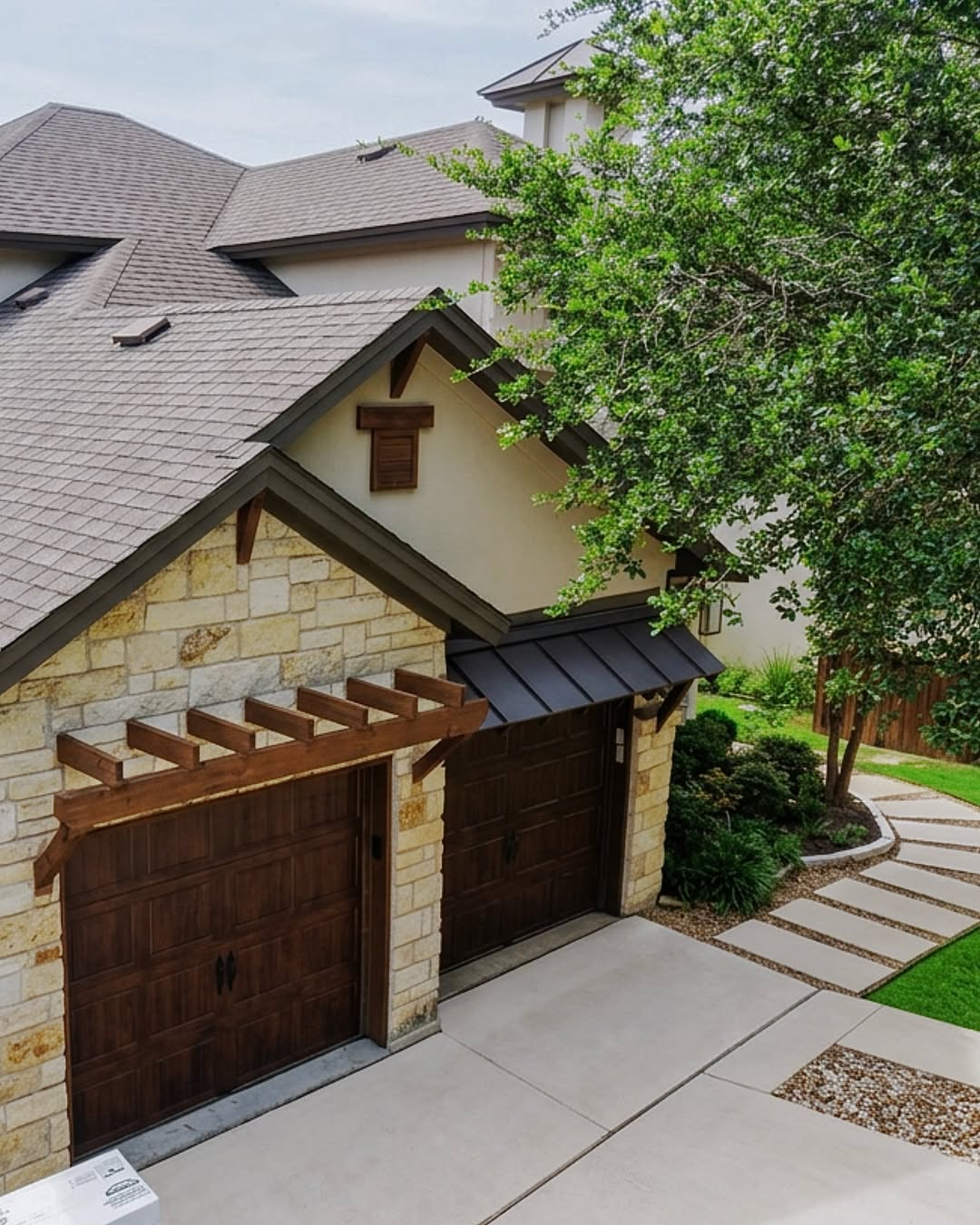
A Zilker Roofing inspection reviews the visible roof system, including shingles, flashing, valleys, pipe boots, ridge caps, vents, soft metals, and signs of moisture intrusion. We may visually note gutter condition as part of understanding drainage around the roof. Zilker Roofing installs or replaces gutters as part of a roofing project — about half of roofing jobs include gutter work — and does not take on gutter work separately from a roof. We look for hail damage, wind damage, lifted shingles, missing shingles, failed sealants, and leak sources. The result is a clear explanation of what we saw and what the roof may need next.
If your neighborhood experienced hail, high winds, or severe weather, the roof should be evaluated through a roof inspection. Hail or wind may have caused damage that is not obvious from the ground, but that does not mean your roof is automatically damaged or that a claim is required. An inspection can determine if damage is present and help you understand your options before deciding what to do next. Inspections are complimentary for most homeowners; if extensive attic access or documentation is needed, a flat rate is quoted upfront.
We begin with a ground-level assessment to understand the roof, property, and visible concerns before climbing up. Then we walk the roof when conditions allow and inspect the surface, penetrations, flashing, valleys, vents, and other key components. We photograph relevant findings and explain them in plain language. Afterward, we tell you whether repair is appropriate, replacement may be warranted, or no immediate roofing work appears necessary.
Take a closer look
What you can expect
Inspections are performed on-roof by a trained technician wherever conditions allow, supplemented by aerial imagery when safety requires it — never a windshield assessment.
Read the supporting details ↗Most inspections are scheduled within 1–2 business days, with written estimates typically provided within 24–48 hours of the site visit.
Read the supporting details ↗We inspect before we recommend. We never suggest a replacement when a repair is the right call.
Read the supporting details ↗We document storm and hail damage with photos, measurements, and a detailed estimate you own. You and your insurer file and settle the claim — we provide documentation and support only.
Read the supporting details ↗Roof inspection
Choose an available time to talk about an inspection, or get in touch with a question about your roof.
Before you decide
We offer complimentary roof inspections for most Austin homeowners. If your inspection requires extensive attic access, significant travel, or detailed documentation for a home sale, we'll quote a fair flat rate upfront — no surprise fees.
We inspect shingles, flashing, valleys, penetrations, gutters, ventilation, and signs of moisture intrusion or animal damage — documenting everything with photos. We get on the roof whenever conditions allow. No rushed guesses.
Scheduling depends on current availability, weather, and safe roof access. Contact us to discuss a time; we will confirm the earliest available visit.
Yes. We provide thorough documentation and photos of any damage you can use to support an insurance claim. We are not a public adjuster and do not file claims or negotiate with your carrier on your behalf.
Yes — your report and all inspection photos are yours to keep and use however you need, including for insurance claims, home sale disclosures, or your own records.
Start at ground level: look for fresh dents in gutters, downspouts, window wraps, and AC fins, and for grit washed out of the downspouts after the storm. Those soft metals record hail that the shingles above may be hiding. Shingle damage itself — bruising, crushed granules, exposed black asphalt in round spots — usually can't be confirmed from the ground, which is why the next step is an on-roof inspection with photos.
Functional damage shortens the roof's life or compromises how it sheds water — a fractured shingle mat under a hail bruise is the classic example, because that spot ages faster and can crack through. Cosmetic damage affects appearance only, like dents in a metal panel or vent cap that still perform. The distinction matters because policies may treat the two differently; our inspection report identifies which kind we found, and your policy's terms determine how your carrier handles it.
Hail around 1 inch across — about quarter size — can begin to bruise asphalt shingles, especially older or brittle ones, and commonly dents soft metals. Larger stones make functional damage progressively more likely, and golf-ball-size hail typically fractures shingle mats and can crack skylights. Size is only a first read, though: roof age, shingle condition, and which slopes faced the storm all matter, so the reliable answer comes from inspecting the roof itself.
We photograph each slope and the collateral indicators — dented gutters, vents, and flashing — that show hail actually struck the roof, and we note whether shingle marks are consistent with hail impact rather than blistering or ordinary wear. The report and photos are yours to keep and can be used to support an insurance claim. We are not a public adjuster and do not file claims or negotiate with your carrier on your behalf.
Soon after conditions are safe. Fresh hail bruises can be subtle — a bruised spot may keep its granules at first and only show as a dark dot weeks later — so an early inspection catches damage while the collateral evidence is still fresh. Most policies also describe giving the carrier prompt notice of a loss, and an early, well-documented inspection makes that conversation easier whichever way you decide to go.