Inspection First, Always
We inspect before we recommend. We never suggest a replacement when a repair is the right call.
Read the supporting details ↗
Flat and low-slope roofing
Flat roofs are usually low-slope roofs. Drainage, seams, and the places where the roof meets a wall or pipe deserve a close look. We can help you understand the problem and the options for repair or replacement.
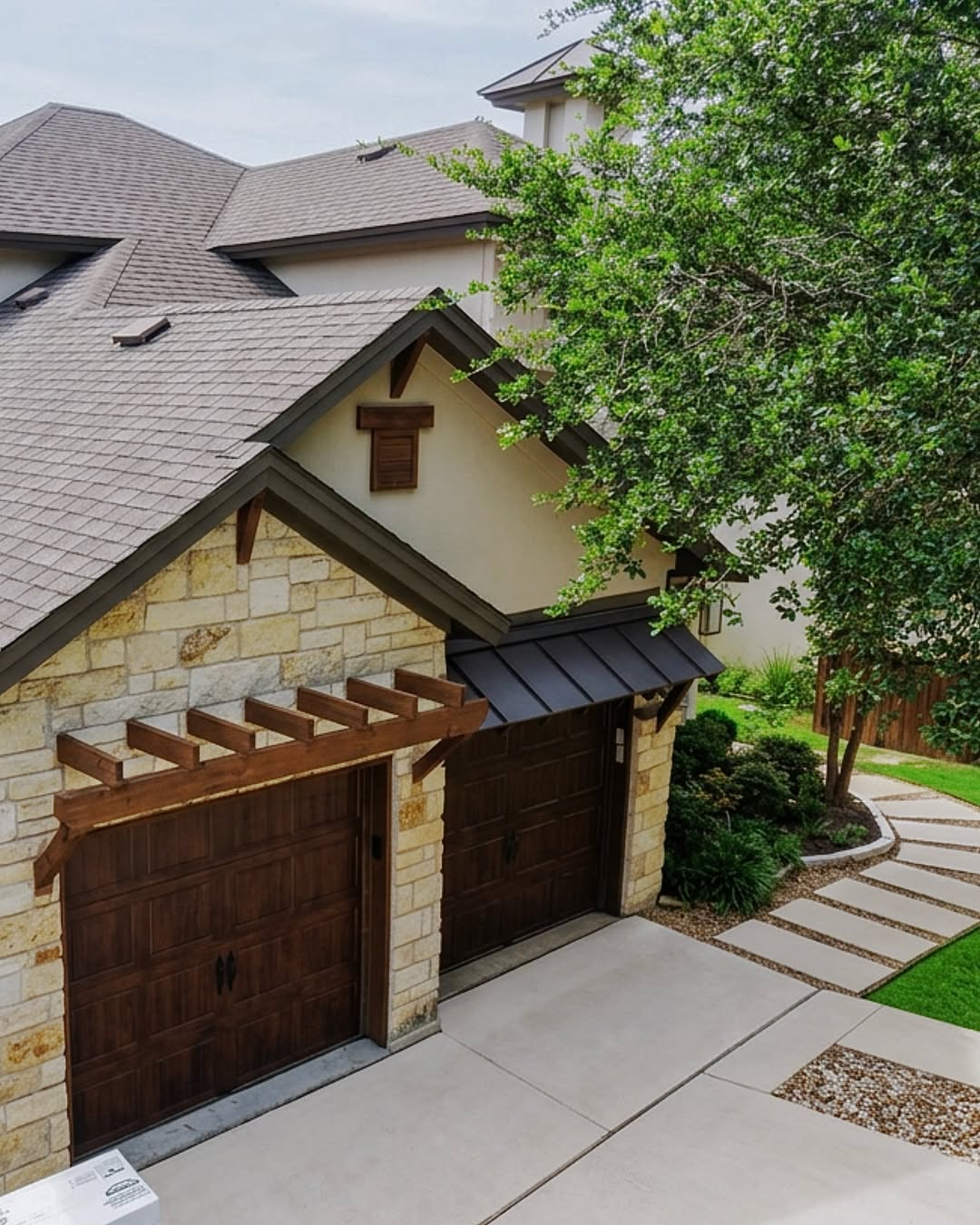
Low-slope covering options include TPO, modified bitumen, and rolled roofing. A proposal should name the covering and explain the deck, insulation, drainage, flashing, and penetrations that go with it. Start with the existing roof so the repair or replacement addresses the whole problem.
A low-slope roof review can examine drains and drainage paths, seams, flashing, penetrations, membrane condition, and visible signs of moisture. The findings help determine whether repair, maintenance, or replacement is appropriate for the existing assembly.
If weather affects a low-slope roof, Zilker can inspect visible conditions, provide photos and written observations, and estimate roofing work. The property owner and insurer determine policy coverage and claim handling. Repair or replacement options depend on the roof system and the conditions found.
Take a closer look
What you can expect
We inspect before we recommend. We never suggest a replacement when a repair is the right call.
Read the supporting details ↗Every estimate includes a detailed written scope with materials, labor, and timeline. No hidden fees. No surprises after the job starts.
Read the supporting details ↗Materials, made personal
Bring your questions about the look, roof slope, maintenance, and budget. We’ll help you compare the roof systems that fit your property.
A material-specific proposal follows a closer look at the roof and the work it needs.
Call (512) 893-7663Before you decide
“Flat roof” usually means a low-slope roof with a planned drainage path. These sections appear on some homes, additions, garages, and porches. TPO, modified bitumen, and rolled roofing are different options; the roof and project scope determine which fits.
Low-slope assemblies use designed slope and drainage paths; depending on the roof, those can include drains, scuppers, or tapered insulation. An inspection can look at the existing drainage path and visible ponding, but the roof-specific design and code requirements determine what changes are appropriate.
A low-slope roof inspection may check for visible ponding, seam separation, membrane damage, flashing defects, blocked drainage, and signs of moisture. Which condition matters and what repairs fit depend on the roof assembly; heat or storm exposure alone does not diagnose a failure.
There is no single inspection schedule for every low-slope roof. Follow the selected system’s manufacturer guidance and the maintenance plan for the building; arrange an inspection when there are leaks, visible damage, drainage concerns, or a damaging weather event.
Repair or coating may be an option when the existing assembly, membrane condition, product compatibility, and manufacturer instructions support it. A coating is not a universal fix; moisture, widespread damage, or other assembly conditions may call for a different scope. An inspection should precede that recommendation.