Repaired When Repair Is Right
We recommend a repair, not a replacement, whenever a targeted fix is the correct solution for your roof.
Read the supporting details ↗
Emergency Roof Tarping in Austin, TX
Zilker Roofing provides emergency roof tarping in Austin, TX. If you have an active leak, emergency tarping may protect the home until a permanent repair is scheduled. Tarping is temporary and is not a repair. Call to discuss an active leak, a roof opening from fallen debris, or visibly damaged roofing that is letting water in. Scheduling and temporary stabilization depend on weather, safe access, materials, and crew availability.
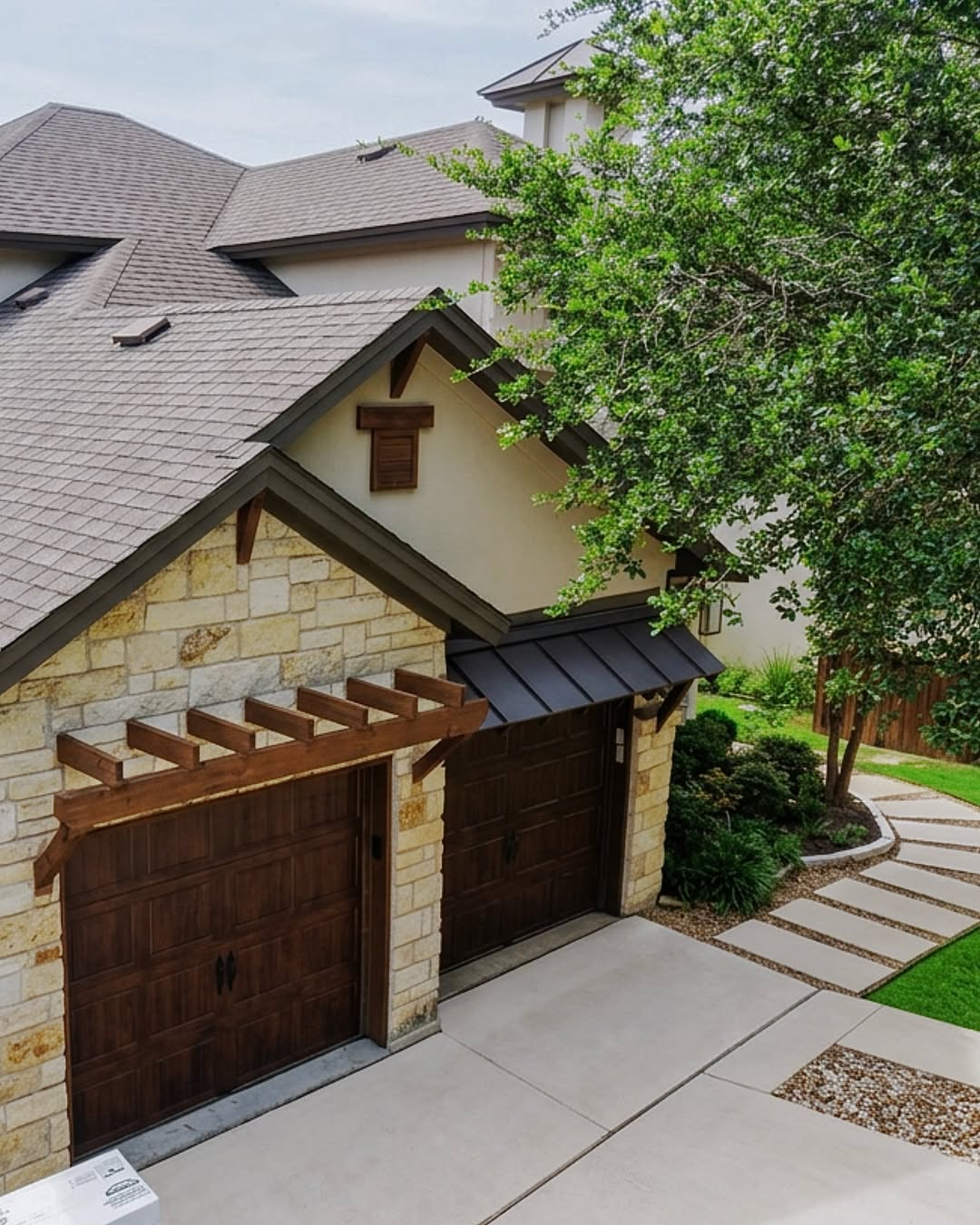
Emergency tarping is reinforced poly fastened down over the opening to stop water entering the structure while the permanent work is scoped. Tarping is mitigation, not repair: it exists to stop active water entry while a permanent fix is arranged, and a tarp left in place as the fix fails on its own schedule. In emergencies, we offer temporary patches or tarp services to stop further water intrusion. Permanent repairs should follow soon after, once weather permits and materials are available.
Roof Repair ServicesCall to discuss an active leak, a roof opening from fallen debris, or visibly damaged roofing that is letting water in. When a roof leak is active and repair cannot be completed immediately, emergency tarping protects the interior from further water damage while a permanent fix is scheduled. A tarp exists to stop the second loss - the water that enters in the weeks after the storm, which is separate damage from the storm itself; the opening the storm made is fixed later, but the interior it would soak is saved now. For an older roof without an active leak, book an inspection to understand its condition and plan the next step. Roof age alone does not make a repair an emergency.
Emergency Roof RepairsDo not go up on the roof yourself: roof work after a storm - wet, damaged, possibly structurally compromised - is genuinely dangerous. Stay off a wet or damaged roof and treat downed lines and hanging limbs as hazards. Inside, interior steps — moving contents, catching drips — limit the secondary damage. Call Zilker Roofing to describe the problem and confirm the earliest available visit.
Done correctly, the tarp extends well past the damage on all sides and over the ridge where possible, so water sheds over — never under — the upper edge; it is fastened with wood furring strips screwed through the tarp into decking rather than loose bricks or sandbags, which shift in wind. A proper tarp run extends over the ridge and is battened down, because a tarp that ends mid-slope collects water at its top edge and feeds it into the very hole it was meant to cover. Standard poly tarps are ultraviolet-degradable and are generally treated as a measure for weeks, not a season. Tarping over wet decking should be noted, since trapped moisture can worsen rot if the tarp stays on too long.
Emergency roof tarping stabilizes a damaged roof and keeps water out until a permanent roof repair can be scoped and scheduled. Finding a leak is most of the work, because the stain shows where water came out, not where it got in. We inspect the damage and explain the repair options before permanent work begins. Every Zilker roof repair follows a clear process: inspection and diagnosis; a written proposal with photo documentation; the agreed repairs; a final review of the work. Repairs carry a 2-year workmanship warranty. We document the applicable terms in writing. Zilker Roofing does not recommend a full roof replacement when a targeted repair is the right solution. The repair-vs-replace decision is driven by the condition of the roof, not by what is most profitable.
How We Trace a Roof LeakIf it is safe to do so, document from the ground and interior — date-stamped photos of visible damage — before anything is moved or covered. We can provide photos, inspection findings, and a written roofing estimate for your records. Coverage depends on your policy and the insurer’s assessment. The property owner decides whether to file a claim; the insurer determines policy coverage and claim handling. Contact your insurer promptly about possible damage and applicable deadlines; an inspection appointment should not delay that call. Zilker Roofing is not a licensed public adjuster. We do not file insurance claims on your behalf, negotiate with your insurance carrier, or speak to your insurer without your involvement. We provide documentation and support only. Zilker Roofing does not use Assignment of Benefits contracts. The homeowner remains the policyholder in control of their claim at all times.
Storm Damage Roof RepairWhat you can expect
We recommend a repair, not a replacement, whenever a targeted fix is the correct solution for your roof.
Read the supporting details ↗Every estimate includes a detailed written scope with materials, labor, and timeline. No hidden fees. No surprises after the job starts.
Read the supporting details ↗Roof repair
Tell us what you’re seeing. We can talk through your roof concern and the next step.
For a leak, damaged shingles, or another roof concern, start with a conversation.
Call (512) 893-7663 ↗Before you decide
No. Tarping is temporary and is not a repair. Tarping is mitigation, not repair: it exists to stop active water entry while a permanent fix is arranged, and a tarp left in place as the fix fails on its own schedule. Emergency roof tarping stabilizes a damaged roof and keeps water out until a permanent roof repair can be scoped and scheduled.
A tarp is a measured-in-weeks solution, not a season-long roof. Standard poly tarps are ultraviolet-degradable and are generally treated as a measure for weeks, not a season. Tarping over wet decking should be noted, since trapped moisture can worsen rot if the tarp stays on too long.
No. Stay off a wet or damaged roof and treat downed lines and hanging limbs as hazards. Roof work after a storm - wet, damaged, possibly structurally compromised - is genuinely dangerous. Call Zilker Roofing to describe the problem and confirm the earliest available visit.
Doing it properly — fastened to furring strips, run over the ridge, not weighted down with debris — is what separates a tarp that holds through the next storm from one that does not. A proper tarp run extends over the ridge and is battened down, because a tarp that ends mid-slope collects water at its top edge and feeds it into the very hole it was meant to cover.
Call Zilker Roofing to describe the problem and confirm the earliest available visit. Scheduling and temporary stabilization depend on weather, safe access, materials, and crew availability.
Coverage depends on your policy and the insurer’s assessment; the insurer determines policy coverage and claim handling. Contact your insurer promptly about possible damage and applicable deadlines; an inspection appointment should not delay that call. We can provide photos, inspection findings, and a written roofing estimate for your records. Zilker Roofing is not a licensed public adjuster. We do not file insurance claims on your behalf, negotiate with your insurance carrier, or speak to your insurer without your involvement. We provide documentation and support only.
We inspect the damage and explain the repair options before permanent work begins. Every Zilker roof repair follows a clear process: inspection and diagnosis; a written proposal with photo documentation; the agreed repairs; a final review of the work. Repairs carry a 2-year workmanship warranty. We document the applicable terms in writing. Zilker Roofing does not recommend a full roof replacement when a targeted repair is the right solution. The repair-vs-replace decision is driven by the condition of the roof, not by what is most profitable.