Inspection First, Always
We inspect before we recommend. We never suggest a replacement when a repair is the right call.
Read the supporting details ↗
Metal roofing
Standing seam and exposed-fastener panels are different metal-roof systems. We’ll talk through the profile, finish, attachment, and written warranty so you can compare the roof you are actually being offered.
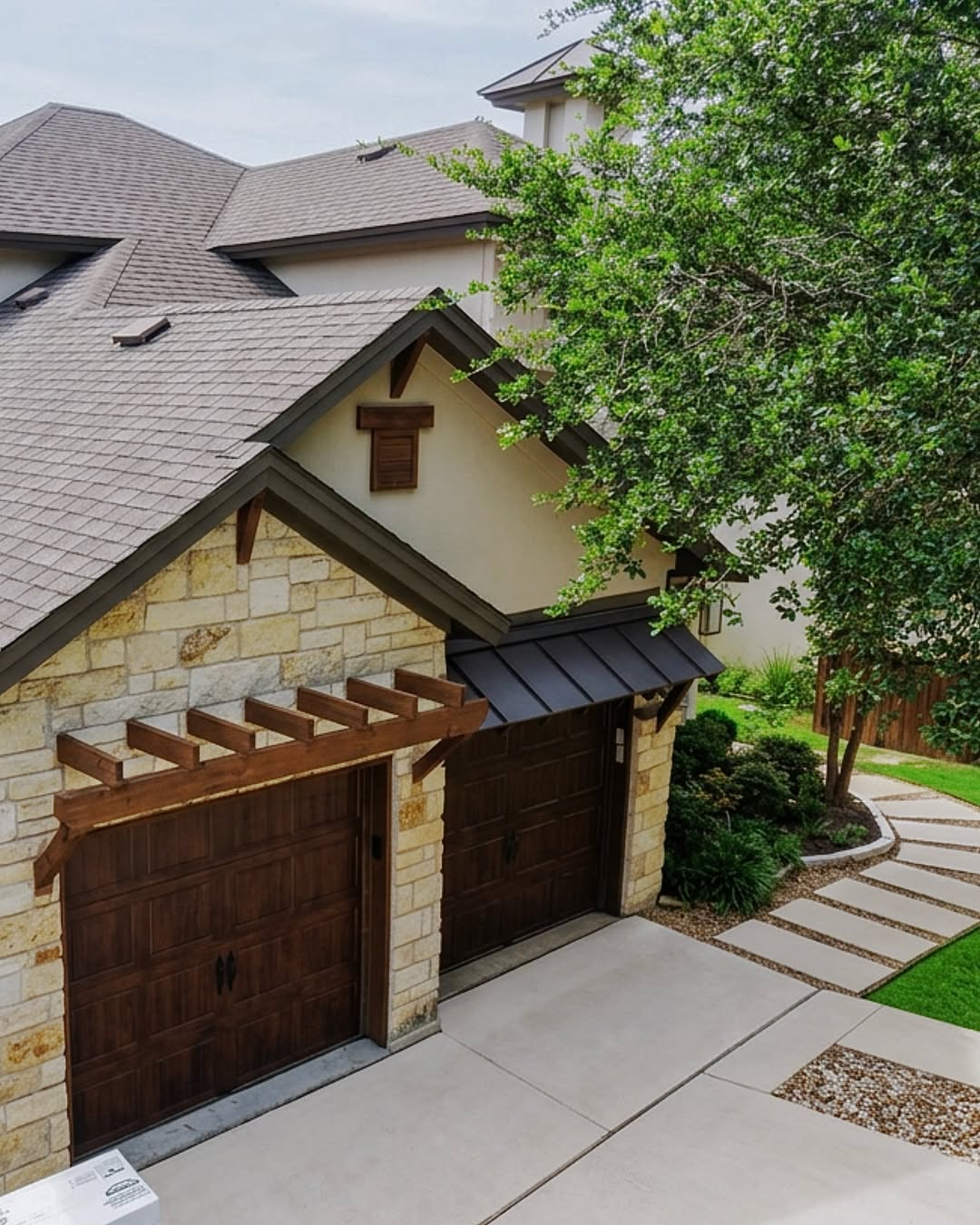
Standing seam and exposed-fastener panels are different metal-roof systems. Compare the panel profile, finish, attachment, and written warranty alongside the price. Ask which system the proposal includes and how its details fit your roof.
If hail or wind affects a metal roof, Zilker can document visible roofing conditions and prepare an estimate for roofing work. The property owner decides whether to file a claim; the insurer determines policy coverage and claim handling. The estimate can explain the proposed metal system and scope; it does not determine coverage or negotiate a claim.
Take a closer look
What you can expect
We inspect before we recommend. We never suggest a replacement when a repair is the right call.
Read the supporting details ↗Every estimate includes a detailed written scope with materials, labor, and timeline. No hidden fees. No surprises after the job starts.
Read the supporting details ↗Materials, made personal
Bring your questions about the look, roof slope, maintenance, and budget. We’ll help you compare the roof systems that fit your property.
A material-specific proposal follows a closer look at the roof and the work it needs.
Call (512) 893-7663Before you decide
Metal roofing includes different systems, such as standing seam and exposed-fastener panels. Compare the product, finish, attachment, details, written warranty, and project scope; the metal category alone does not establish service life, energy performance, or weather resistance.
Installed cost depends on the selected metal system, roof geometry, existing layers, deck condition, accessories, and labor. A meaningful comparison uses written scopes for the same roof. Do not assume a longer service life, lower maintenance, or energy savings will pay back a higher initial cost.
Whether a new metal system can be installed over an existing covering depends on the roof assembly, number and condition of existing layers, structure, applicable code, and the selected manufacturer’s instructions. The proposal should say whether existing material is removed or retained and identify any conditions that must be checked first.
Indoor sound depends on the complete roof and building assembly, including panel attachment, decking, underlayment, insulation, and interior construction. Compare the details specified for the proposed roof; a metal surface alone does not determine how rain or hail will sound indoors.
Metal does not attract lightning, but it conducts electricity. The presence of metal does not determine where lightning strikes, and a metal roof is not a lightning-protection system. Follow weather-safety guidance and consult a qualified professional about building protection.
Some roof products and finishes are rated for solar reflectance and thermal emittance. Those product properties, roof color, insulation, climate, and HVAC affect potential energy results; there is no universal bill reduction for metal roofing. Compare the exact product data and building conditions before estimating savings.