Repaired When Repair Is Right
We recommend a repair, not a replacement, whenever a targeted fix is the correct solution for your roof.
Read the supporting details ↗
Metal Roof Repair in Austin, TX
Zilker Roofing repairs leaking and damaged metal roofs on Austin homes — standing seam and exposed-fastener panels. Metal roofs leak at fasteners, seams, and flashings rather than through the panels, and metal roof repair addresses fasteners, seams and flashings on an existing metal roof. Every roof repair starts with an inspection before an estimate, and we recommend repair when repair is right — no unnecessary replacements.
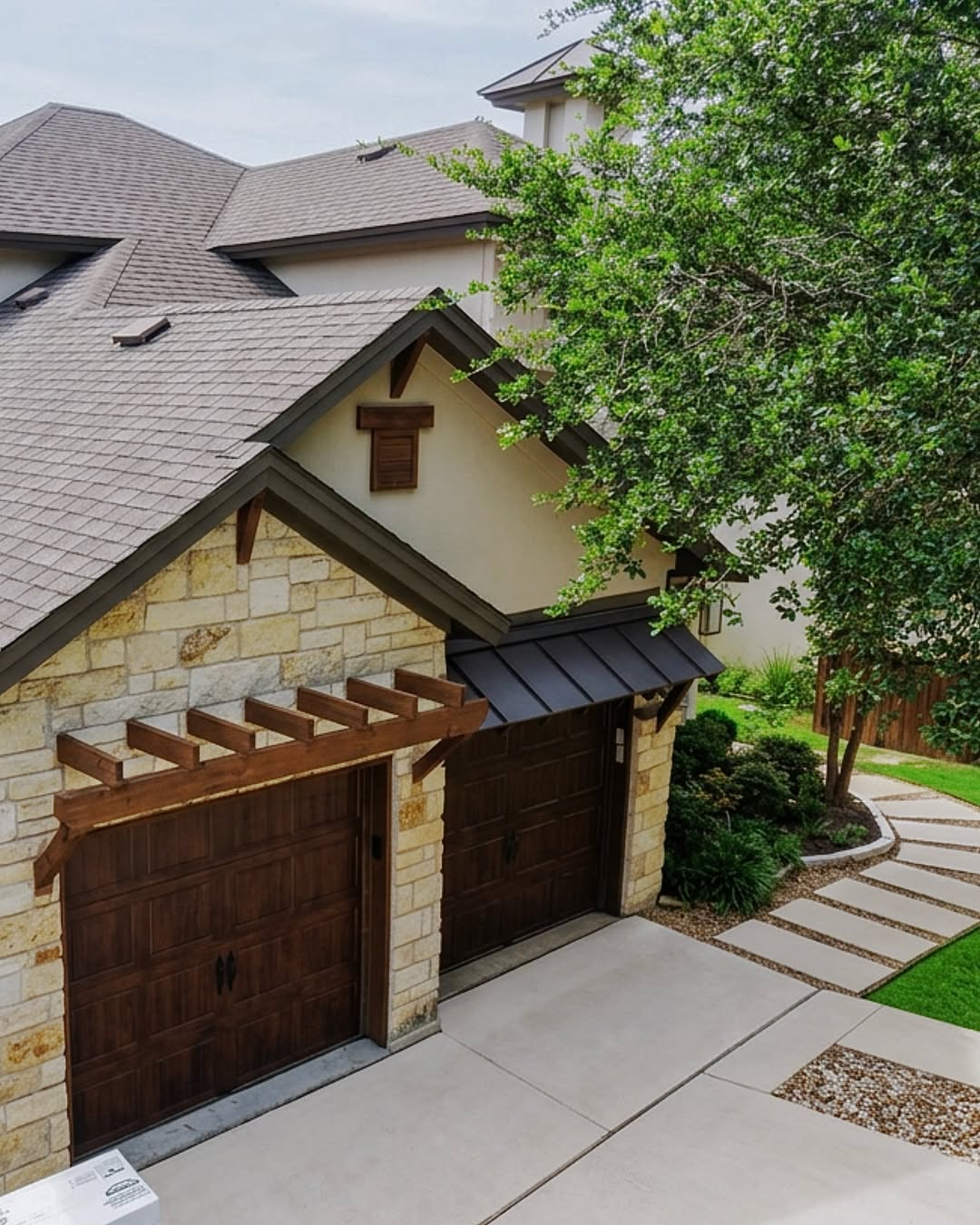
We repair shingle, metal, modified bitumen, and some TPO flat roofs — both residential and light commercial. Metal roof repair divides by fastening system. Standing seam and exposed-fastener panels are different metal-roof systems. We also diagnose water coming through the roof so the repair addresses the source rather than just the symptom. This page is about repairing the metal roof you already have: metal roof repair addresses fasteners, seams and flashings on an existing metal roof; a metal roofing service replaces the system when repair no longer holds. Choosing and installing a new metal roof is covered on our metal roofing page.
Metal Roof Types We InstallOn exposed-fastener (screw-down) roofs, the dominant failure is the fasteners themselves: thousands of gasketed screws whose neoprene washers UV-degrade, crack, and lose compression as panels expand and contract daily — leaks then follow the screw lines. Because the panel expands and contracts against a fixed screw, the holes gradually elongate while the screws work loose or the washers extrude. Signs include rust halos around screw heads, visibly raised screws, and drips at purlin lines. The durable repair replaces fasteners with oversized screws and new washers across the roof, not dabs of caulk on the leakers, because every washer on the roof is the same age.
How Metal Roof Repair WorksOn standing seam roofs, the panel field is fastener-free, so leaks concentrate at flashings, penetrations, end laps, and ridge details, and repairs are detail work demanding familiarity with the specific seam profile. Failures concentrate at the details rather than the field: eave and ridge closures, penetration flashings, and seams left un-crimped on mechanical-lock profiles. Repairs demand a specialist, since panels interlock and cannot be swapped like shingles.
Standing Seam vs. Exposed FastenerRe-fastening — not caulking each screw — is the durable fix. Sealant chemistry matters (butyl and polyurethane products adhere to metal long-term; general-purpose silicone often does not), dissimilar-metal contact corrodes (copper wash over galvanized steel, for instance), and rust at scratches and cut edges is arrested early with rust-inhibiting treatment and touch-up. On Galvalume steel, copper or lead contact, treated lumber, and runoff from dissimilar metals corrode the coating, so repairs must not introduce them. Every Zilker roof repair follows a clear process: inspection and diagnosis; a written proposal with photo documentation; the agreed repairs; a final review of the work. Repairs carry a 2-year workmanship warranty. We document the applicable terms in writing.
How Every Zilker Roof Repair WorksThe ceiling stain is not the leak. Water enters at a flashing, penetration, or fastener, runs down the underside of the decking or along a rafter, and drops onto the ceiling somewhere downslope — so the stain is the exit, not the entrance. Exposed-fastener panels rely on rubber washers that dry out in the Texas sun; standing seam hides its fasteners and has far fewer of those failure points. Two decoys are worth ruling out: condensation from attic humidity or uninsulated ducts mimics a leak in summer, and wind-driven rain can enter vents and exhaust caps that are watertight in ordinary weather. Finding the entry point first means the repair addresses the source rather than just the symptom.
How We Trace a Roof LeakRoof repair is appropriate for localized damage when the surrounding system is sound. Replacement is warranted when damage is widespread, the roof is near the end of its useful life, or the system can no longer be repaired reliably. A roof inspection determines which is appropriate, and we recommend repair when repair is right. Some things that look wrong are not repair items: oil-canning — visible waviness in flat panel areas — is cosmetic, not a defect requiring repair. Zilker Roofing does not recommend a full roof replacement when a targeted repair is the right solution. The repair-vs-replace decision is driven by the condition of the roof, not by what is most profitable.
Roof Repair vs. ReplacementHail can dent or otherwise damage metal roofing; the result depends on the product, thickness, support, and impact. Cosmetic damage affects appearance only, like dents in a metal panel or vent cap that still perform; functional damage shortens the roof's life or compromises how it sheds water. From a safe place, note visible damage and the storm date. Do not climb onto a wet or damaged roof. An active leak, storm-damaged roof, or tree puncture needs prompt attention. Scheduling and temporary stabilization depend on weather, safe access, materials, and crew availability. If hail or wind affects a metal roof, Zilker can document visible roofing conditions and prepare an estimate for roofing work. The property owner decides whether to file a claim; the insurer determines policy coverage and claim handling. The estimate can explain the proposed metal system and scope; it does not determine coverage or negotiate a claim. Contact your insurer promptly about possible damage and applicable deadlines; an inspection appointment should not delay that call. Zilker Roofing is not a licensed public adjuster. We do not file insurance claims on your behalf, negotiate with your insurance carrier, or speak to your insurer without your involvement. We provide documentation and support only. Zilker Roofing does not use Assignment of Benefits contracts. The homeowner remains the policyholder in control of their claim at all times.
Metal Roofing FAQWhat you can expect
We recommend a repair, not a replacement, whenever a targeted fix is the correct solution for your roof.
Read the supporting details ↗Every estimate includes a detailed written scope with materials, labor, and timeline. No hidden fees. No surprises after the job starts.
Read the supporting details ↗Roof repair
Tell us what you’re seeing. We can talk through your roof concern and the next step.
For a leak, damaged shingles, or another roof concern, start with a conversation.
Call (512) 893-7663 ↗Before you decide
It depends on the condition of the roof. Metal roofs leak at fasteners, seams, and flashings rather than through the panels, and metal roof repair addresses fasteners, seams and flashings on an existing metal roof; a metal roofing service replaces the system when repair no longer holds. Roof repair is appropriate for localized damage when the surrounding system is sound. Zilker Roofing does not recommend a full roof replacement when a targeted repair is the right solution. The repair-vs-replace decision is driven by the condition of the roof, not by what is most profitable.
On exposed-fastener (screw-down) roofs, the dominant failure is the fasteners themselves: thousands of gasketed screws whose neoprene washers UV-degrade, crack, and lose compression as panels expand and contract daily — leaks then follow the screw lines. The screws themselves back out as panels expand and contract daily - re-torquing them is scheduled maintenance, not a defect. Rust halos around screw heads, visibly raised screws, and drips at purlin lines are signs of it.
Not as a lasting fix. Re-fastening — not caulking each screw — is the durable fix: the durable repair replaces fasteners with oversized screws and new washers across the roof, not dabs of caulk on the leakers, because every washer on the roof is the same age. Where sealant is part of a repair, sealant chemistry matters (butyl and polyurethane products adhere to metal long-term; general-purpose silicone often does not). Do not climb onto a wet or damaged roof to try it yourself.
On standing seam roofs, the panel field is fastener-free, so leaks concentrate at flashings, penetrations, end laps, and ridge details, and repairs are detail work demanding familiarity with the specific seam profile. Failures concentrate at the details rather than the field: eave and ridge closures, penetration flashings, and seams left un-crimped on mechanical-lock profiles. Repairs demand a specialist, since panels interlock and cannot be swapped like shingles.
Not every dent is a repair. Hail can dent or otherwise damage metal roofing; the result depends on the product, thickness, support, and impact. Cosmetic damage affects appearance only, like dents in a metal panel or vent cap that still perform; functional damage shortens the roof's life or compromises how it sheds water. From a safe place, note visible damage and the storm date; an inspection can document accessible roof conditions.
Coverage depends on your policy and the insurer’s assessment. If hail or wind affects a metal roof, Zilker can document visible roofing conditions and prepare an estimate for roofing work. The property owner decides whether to file a claim; the insurer determines policy coverage and claim handling. Contact your insurer promptly about possible damage and applicable deadlines; an inspection appointment should not delay that call. Zilker Roofing is not a licensed public adjuster. We do not file insurance claims on your behalf, negotiate with your insurance carrier, or speak to your insurer without your involvement. We provide documentation and support only.
No. Oil-canning — visible waviness in flat panel areas — is cosmetic, not a defect requiring repair. We recommend repair when repair is right — no unnecessary replacements.
Repairs carry a 2-year workmanship warranty. We document the applicable terms in writing. The manufacturer's material warranty is separate; its coverage depends on the product and installed system. The warranty terms on any finish are the panel manufacturer's, set by their registration process, not by the contractor — Zilker Roofing quotes them, it does not issue them.